
This project wasn’t a typical Erasmus Plus Youth Exchange or Training Course – it was selected and funded by the Luxembourgian National Agency to improve the knowledge and competences of those who organize E+ projects. Piotr Gaweł and Magdalena Jakubowska from Art Square Lab proposed the use of Design Thinking to project the sustainable future and I as a representative of The Dialogue Supporting Foundation „Let’s Talk” (Fundacja Wspierania Dialogu „Rozmawiajmy”) took part in it (see the post on Facebook).
We were working on the five-stage-model of DT including following steps:
Empathize (being „in some else’s shoes”) – trying to look on some issue from the perspective of our target group, also by the means of interviews and discussions
Define – summarising our ideas and defining what kind of problems/ challenges our target group is facing and what may they need
Ideate – brainstorming ideas how to help them to solve these problems/ challenges
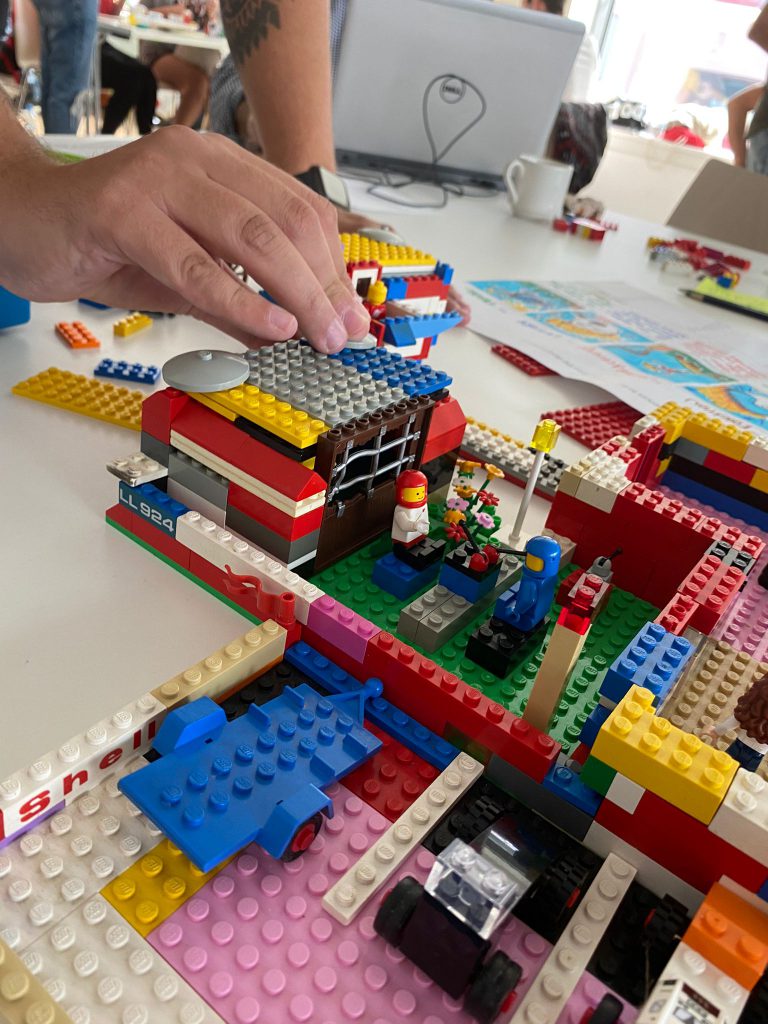
Prototype – creating solutions in a way of easy (not fully prepared) prototype with the use of various tools like storyboard, LEGO bricks, collage
Test – verifying our prototype basing on feedback from our target group, evaluating and improving it.
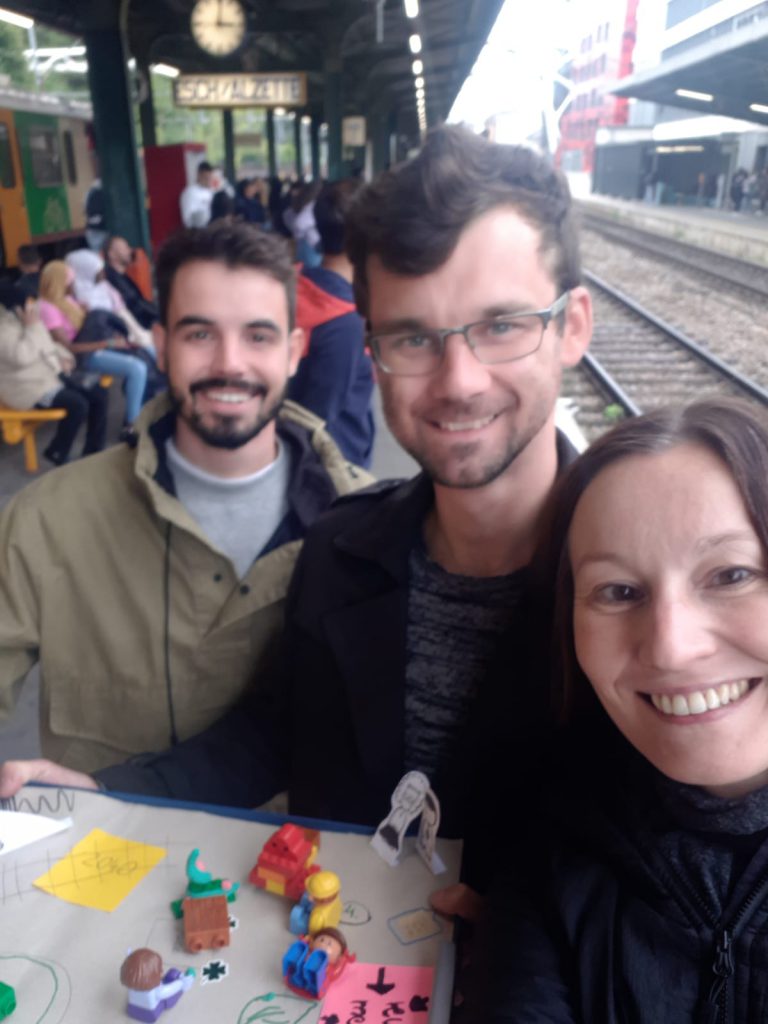
Our task was to „design” sustainable future for youth. In the fourth stage of DT some participants with artistic talent (not me 😉 ) were creating a storyboard, the others were able to make a scene with Lego bricks. To test our prototype we went to the train station in Esch-sur-Alzette (close to our hostel) so that we could present it to youngsters, explain our ideas as find out if they find it useful and probable:
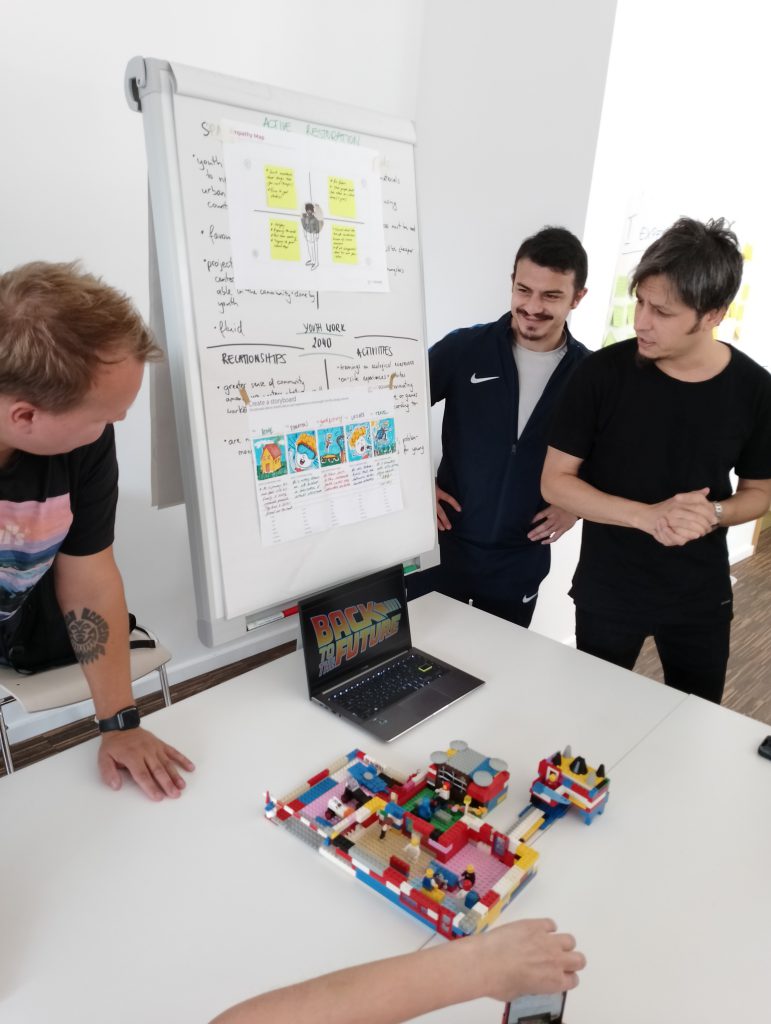
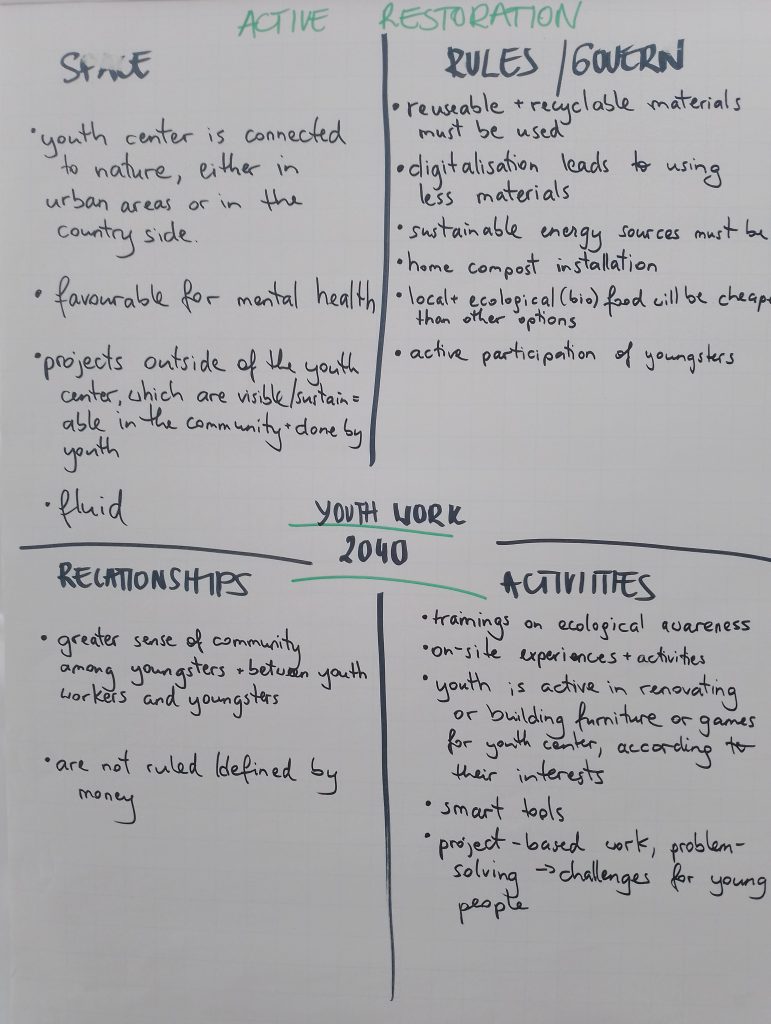
Not only Design Thinking was mentioned during this TCA – we took advantage of the Future Scenarios methodology dividing future into four different options (Kind Capitalism, Active Restoration, Less is Enough & Self-Consumed) based on two dimensions: me-we and scarcity-abundance of resources. This concept was introduced in the Prototyping 2040 by Greenhat, Blue Media – more info about it available here. There was time and space for imagination how youthwork might look in future in each of these scenarios. As an example I may present the Active Restoration one – the combination of we & abundance conditions:
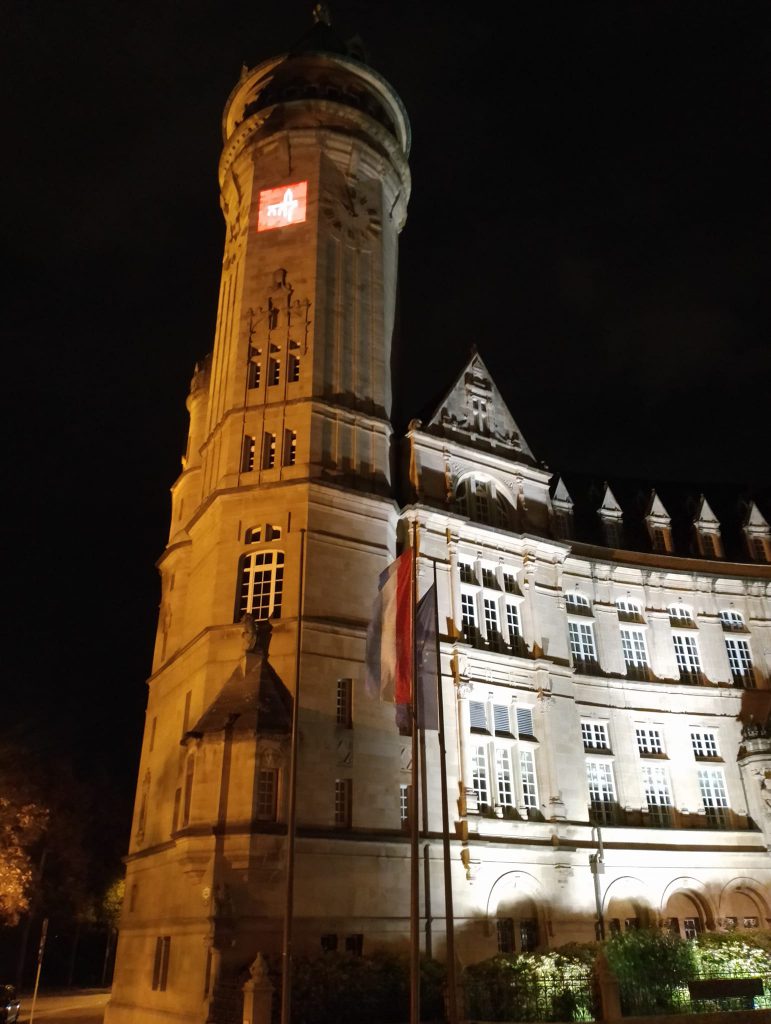
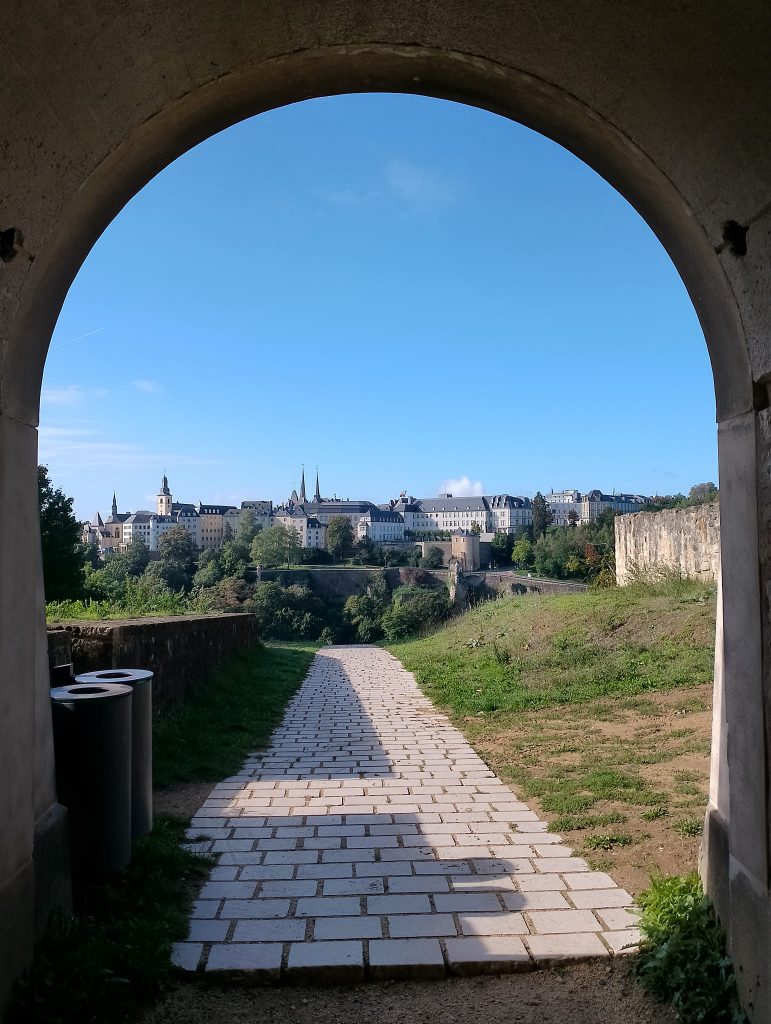
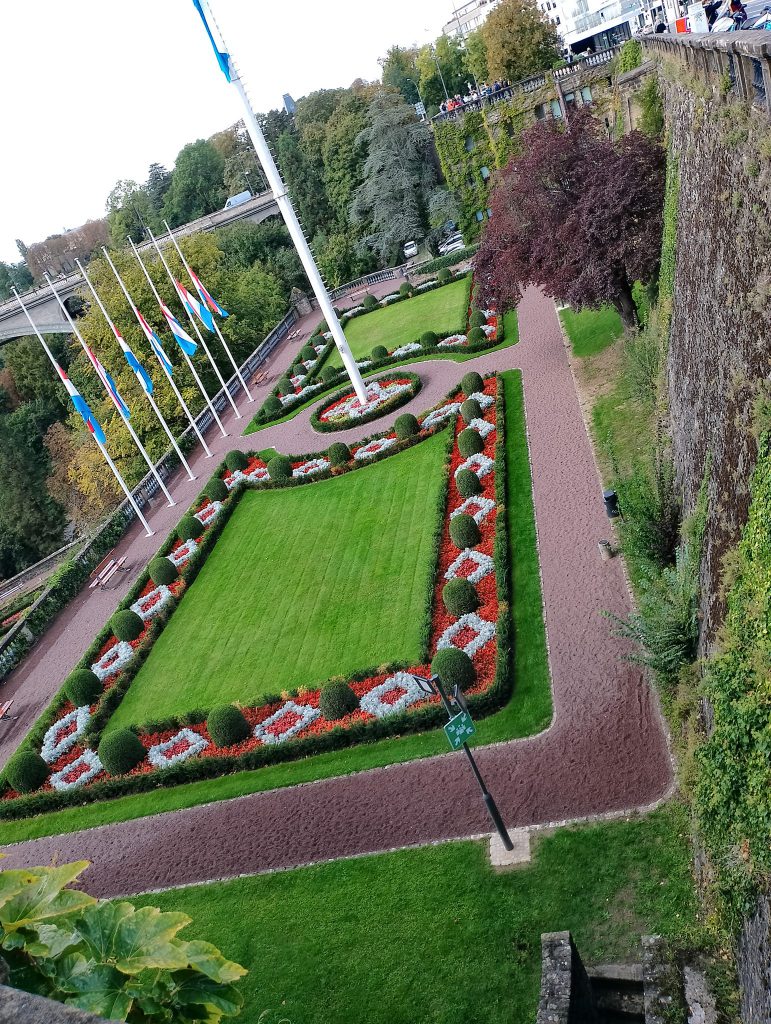
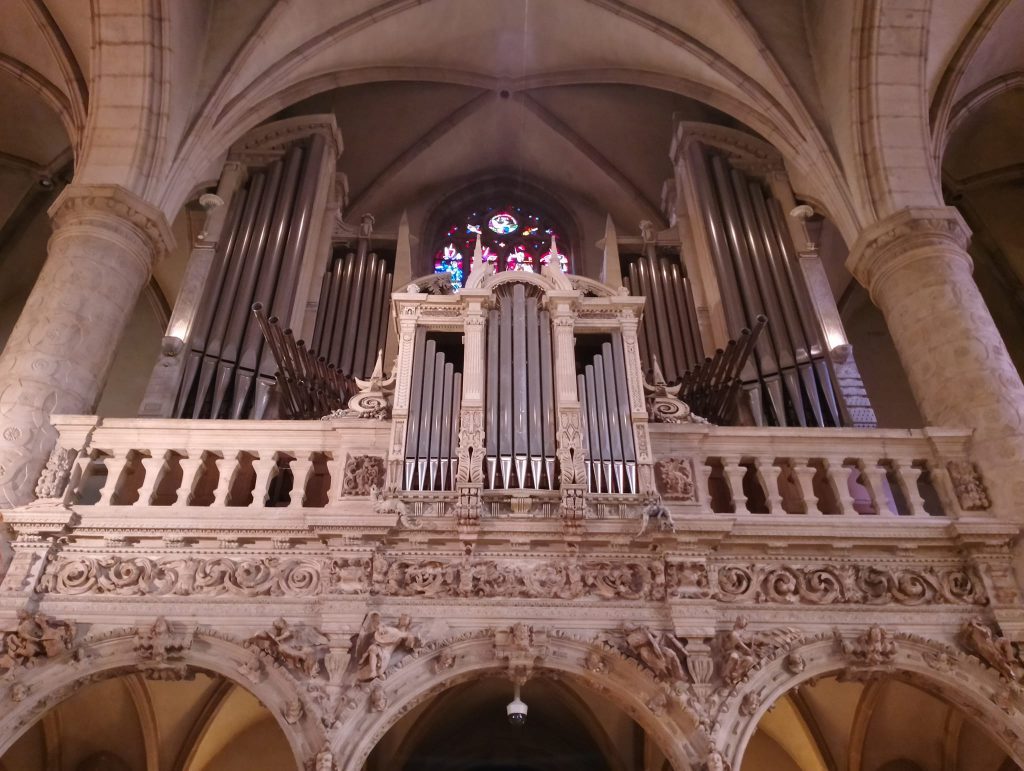
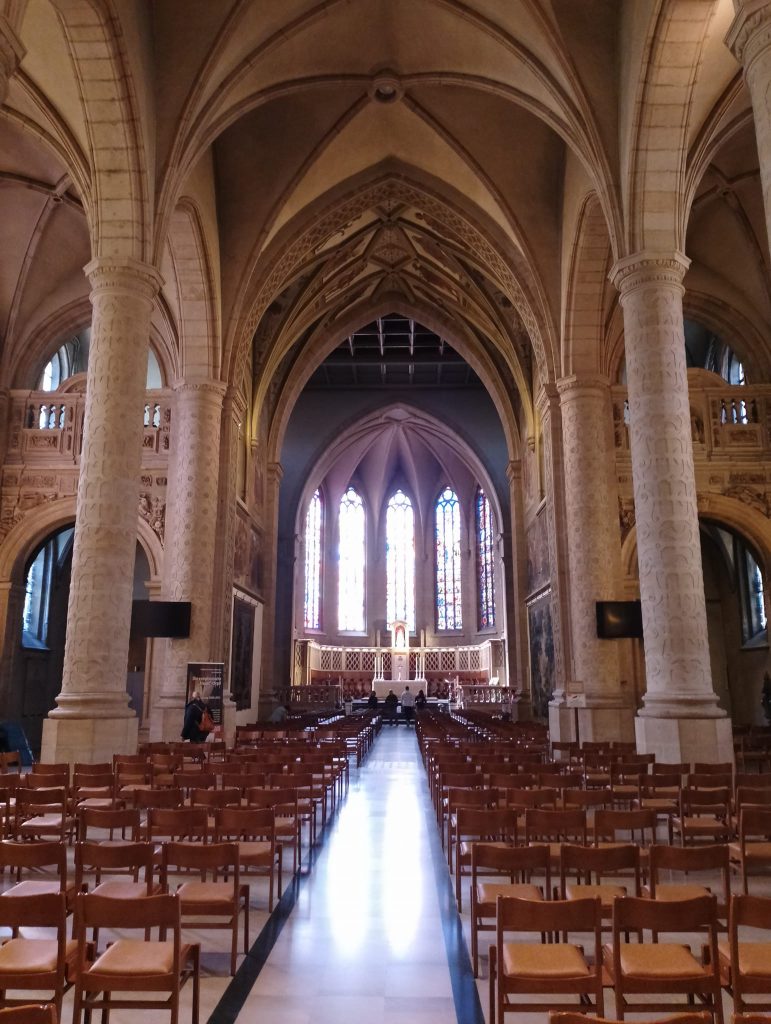
Although the topic was quite heavy I had some time to explore the capitol of Luxembourg – the city quite strange and unusual for the newcommers, full of bridges, fortifications and castles:
1 thought on “Sustainability Academy: building Future(s) Scenarios!”