[English version below]
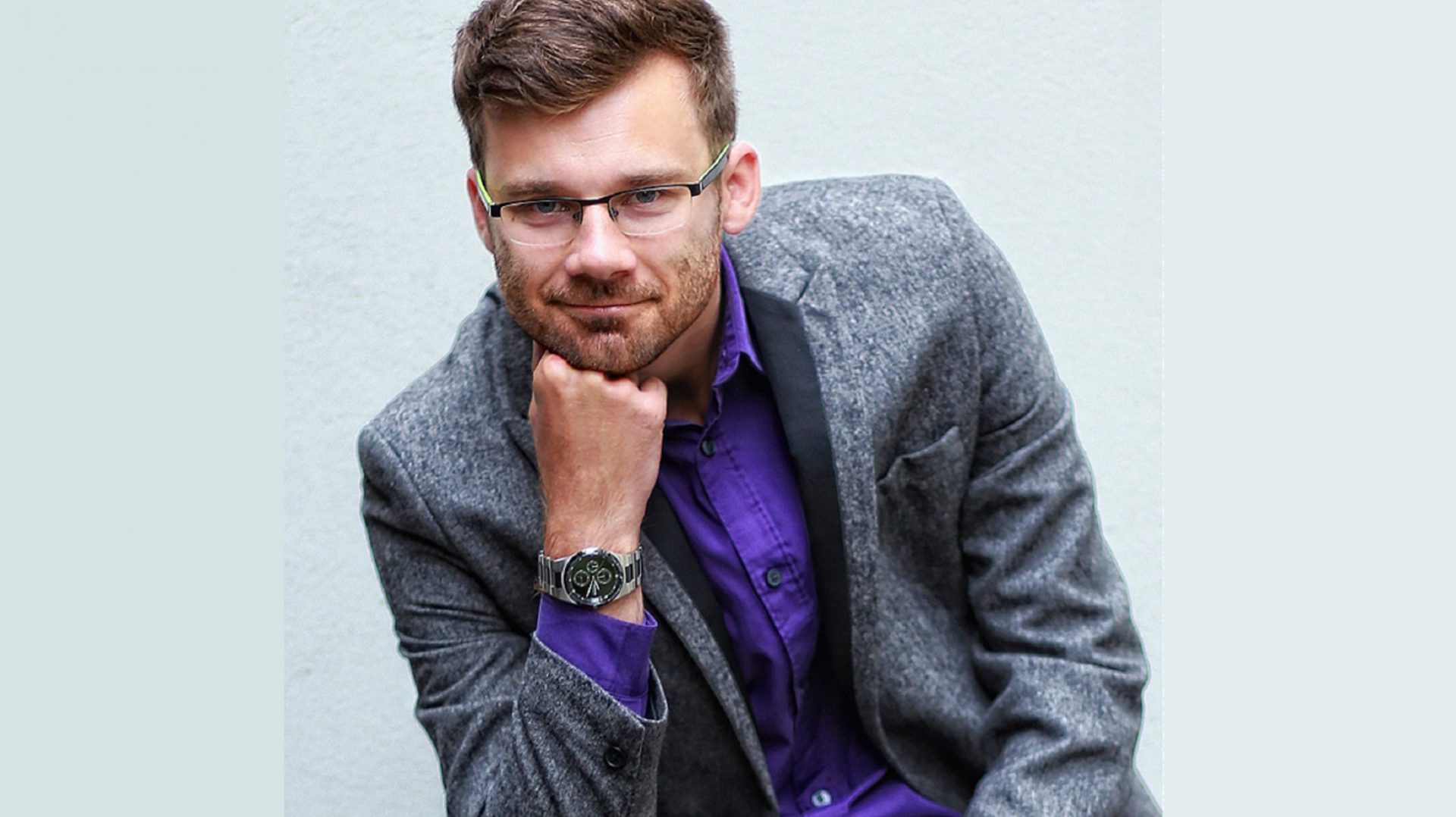
Miesiąc temu zostałem zaproszony przez Ilkaya Karabacaka z Instytutu Dialogu Dunaj do przeprowadzenia warsztatu dotyczącego różnic międzykulturowych i związanych z nimi tabu. Kilkoro wolontariuszy Instytutu uczestniczy w moich zajęciach na Wydziale Psychologii Akademii Ekonomiczno-Humanistycznej i zostałem przez nich polecony 🙂 Mimo że takie tematy jak tabu kulturowe niekoniecznie leżą w obrębie moich zainteresowań psychologicznych, mam duże doświadczenie kontaktu z innymi kulturami dzięki prowadzeniu delfinoterapii w Turcji oraz uczestnictwu w ponad dwudziestu programach unijnych organizowanych m.in. w ramach Youth in Action oraz Erasmus Plus.
Warsztat dotyczył przede wszystkim stereotypów międzykulturowych. Zgodnie z opisem: „Mini trening będzie skoncentrowany na stereotypach, które są powszechne w naszych krajach, i na tym, jak wpływają na naszą percepcję i nasze działania. Pytanie brzmi: czy jesteśmy świadomi naszych różnic w percepcji, czy też one „wydarzają się” w sposób niezamierzony? I czy uczenie się międzykulturowe jest w stanie poradzić sobie z tymi różnicami?”.
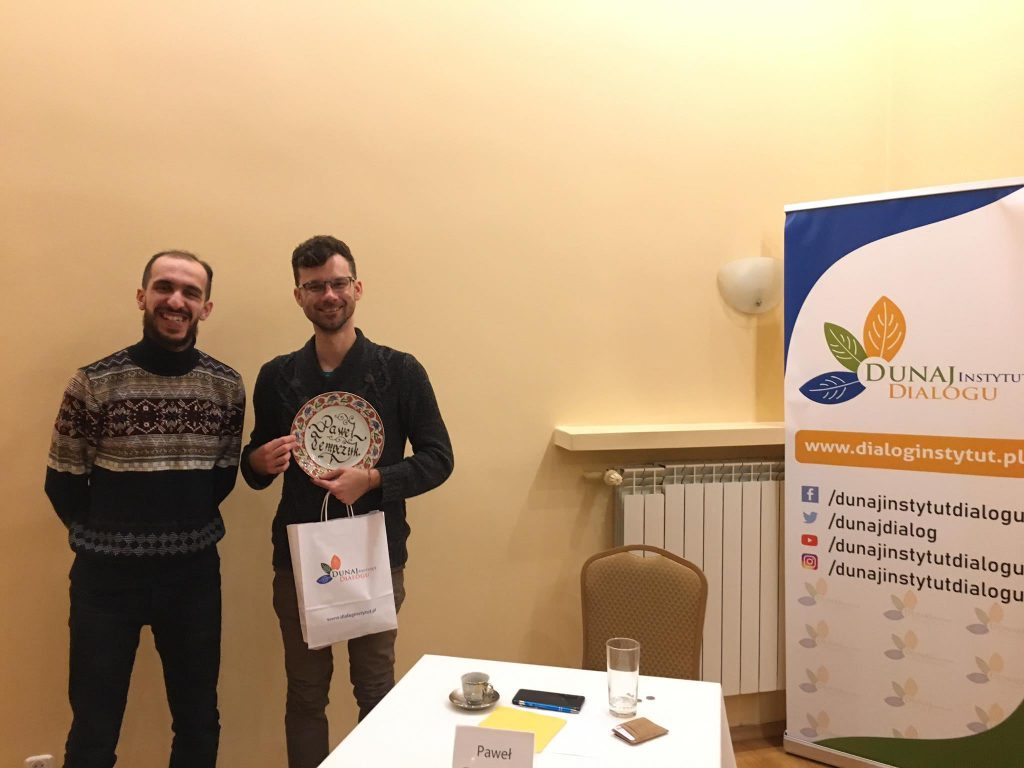
Zapraszam do obejrzenia relacji z wydarzenia na Facebooku. Warsztat rozpoczęliśmy dwoma „icebreakerami” czyli ćwiczeniami na przełamanie lodów między uczestnikami, następnie wpierw w parach, a potem na forum grupy rozmawialiśmy o naszych zderzeniach z innymi kulturami, czyli najbardziej dziwnych, zdumiewających i niekomfortowych sytuacjach, w jakich się znaleźliśmy za granicą. Na koniec poruszyłem temat „kozła ofiarnego” czyli tendencji np. w społeczeństwie do nieuzasadnionego albo nadmiernego obwiniania danej grupy etnicznej, wyznaniowej, związanej z określoną orientacją seksualną. Bardzo miłym gestem na koniec był prezent, jaki otrzymałem od organizatorów: 🙂
One month ago I was invited by Ilkay Karabacak from the Dunaj Dialogue Institute to lead a workshop on intercultural differences and taboos. There are some volunteers of the Institute that take part in my classes at the Faculty of Psychology of the University of Economics and Human Sciences and I was recommended by them to deal with this issue 🙂 Although topics such as cultural taboos are not necessarily in the area of my psychological interest, I have much experience with other cultures thanks to my work in Turkey as a dolphintherapist and participation in over twenty EU programs organized among others from Youth in Action and Erasmus Plus grants.
The workshop was focused on intercultural cliches. As mentioned in the description: „The mini training will be focused on clichés and stereotypes that are common in our countries – how they influence our perception and our actions. The question is: are we aware of our differences in perception or do they „happen” unintentionally? And is intercultural learning able to deal with these differences?”.
I invite you to see the photos from this event on Facebook. We started with two icebreakers to get to know each other better and then we moved to the main topic – discussion in pairs and in the whole group about most bizzare, shocking and uncomfortable situations we experienced while being abroad. At the end I mentioned the „scapegoating” mechanism – tendency observed eg. in the community to blame some minority group (ethnic, religious, based on the sexual orientation) to an unjustified or excessive level. At the end of the workshop as a nice gesture from organisers I received a plate with my name 🙂
3 thoughts on “Most Common Cultural Taboos and the Reason Behind”